Table of contents
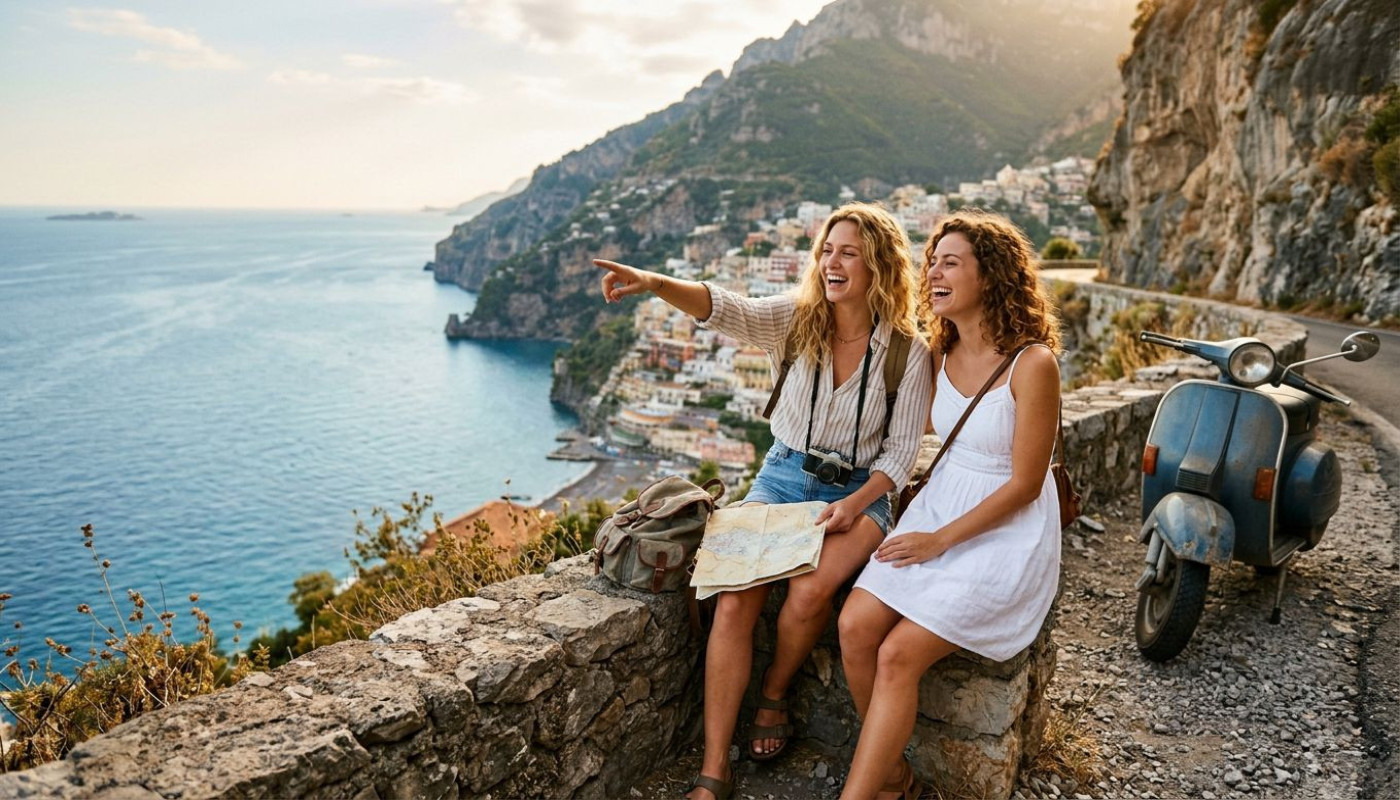
Fast travel is getting faster, but the backlash is quietly building. As destinations from Venice to Bali wrestle with overtourism, and as travelers face rising flight costs, climate anxiety, and overcrowded “must-see” circuits, a different approach is moving from niche to mainstream: slow travel. It is less about doing nothing than about doing fewer things well, and for many visitors it is also the difference between a checklist and a memory that sticks.
When the schedule stops dictating the trip
What happens when you stop trying to “cover” a country? The first thing most travelers notice is not boredom but relief, because the tyranny of the itinerary is real, especially in the era of algorithm-driven travel where the same viewpoints, cafés, and day trips repeat across every feed. Slow travel pushes back by shrinking the radius and expanding the time, and that shift changes behavior in measurable ways: people walk more, take more local transport, eat closer to where they sleep, and spend less time in queues that exist mainly because everyone has been told to go to the same place at the same hour.
There is also an economic logic. Tourism researchers have long tracked that the length of stay is one of the strongest predictors of how much money remains in a destination beyond headline attractions, because longer visits tend to diversify spending: groceries, laundromats, neighborhood restaurants, local guides, cultural events, even repairs and services that short-term visitors never touch. The UN World Tourism Organization has repeatedly emphasized that dispersal and longer stays can ease pressure on hotspots while spreading benefits across regions, and cities facing crowding have begun to design policy around that idea, from visitor caps in fragile areas to promotions that steer travelers toward shoulder seasons and smaller towns.
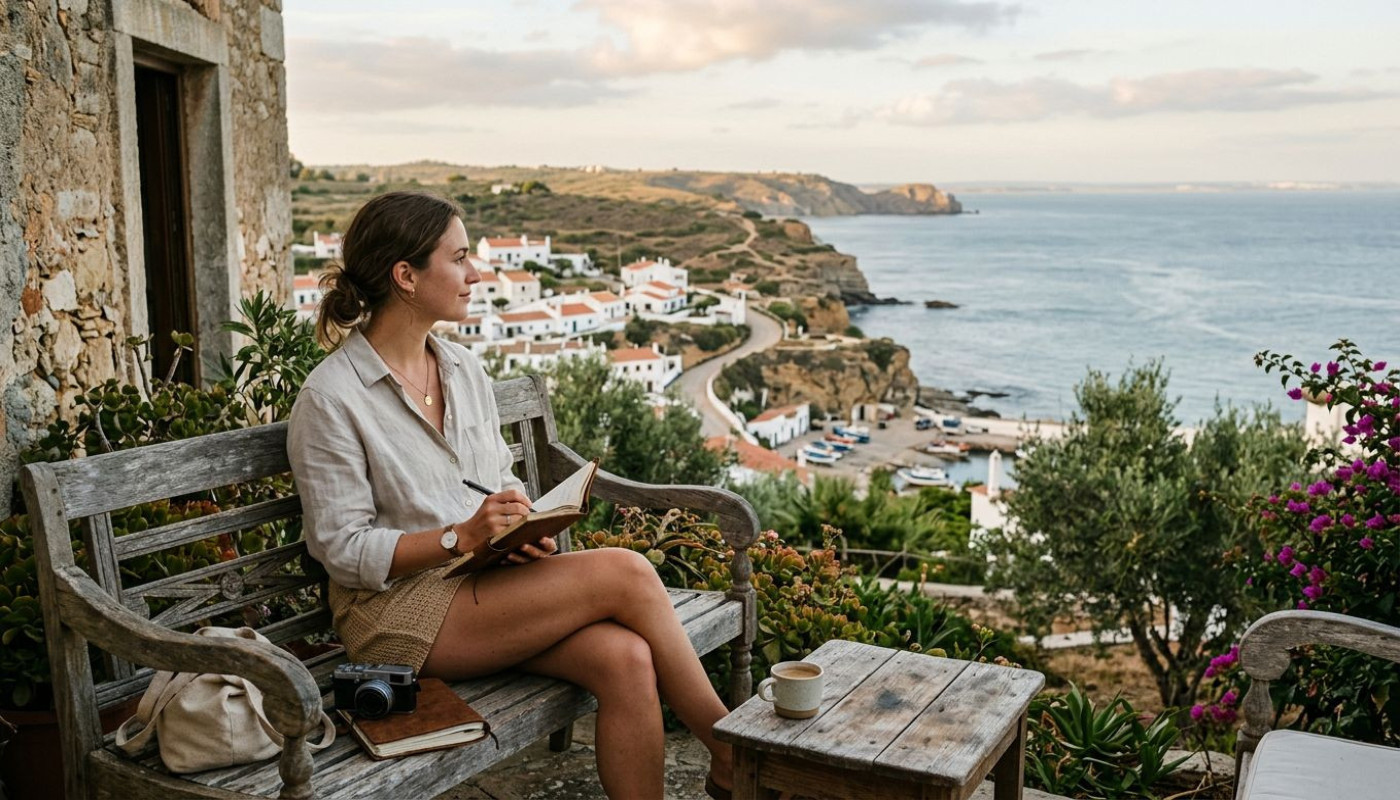
Slow travel also rewires time in a way that matters for mental load. A tightly packed trip has hidden costs: the constant “next step” thinking, the friction of daily check-outs, the stress of delays, and the feeling that anything unplanned is a failure. When you stay put, even for four or five nights instead of two, you create room for weather, for spontaneous conversations, and for the kind of small rituals that make a place feel less like a backdrop and more like a lived environment. The irony is that doing less can produce more content, more stories, and more genuine discovery, because you are finally present enough to notice what is not on the list.
The memory science behind going slower
Could the pace of a trip change what you remember? Cognitive psychology suggests it can, because memory is not a continuous recording, it is a selective reconstruction, and it privileges novelty, emotion, and meaning. When travel becomes a rapid sequence of similar moments, train stations, check-ins, landmark photos, the brain compresses it, and many days blur together. Slow travel creates what researchers call “distinctiveness”: more repeated contact with the same streets, the same café owner, the same bus route, and the same landscape under different light, which makes experiences easier to organize and retrieve later.
There is a second effect, less discussed but widely felt: agency. People remember the moments they chose, not just the moments they consumed. A trip built around obligations, timed tickets, and “you have to see this” can be impressive, yet oddly hollow in retrospect. A slower itinerary, by contrast, creates decision points, and those decisions become anchors for memory. You remember the morning you skipped the museum to follow a local recommendation, the afternoon you stayed longer because the rain turned the city cinematic, the evening you learned a few phrases and used them successfully. That sense of authorship is one reason slow travel often feels more personal, even when the destination is famous.
Slow travel can also deepen cultural learning. A single guided tour can provide facts, but repeated low-stakes interactions provide context: how people greet each other, what time children come home, which foods appear on ordinary tables, how a neighborhood changes between weekday and weekend. Those signals are hard to capture when you are only passing through. It is not that slower travel automatically produces authenticity, a word that has been overused to the point of suspicion, but it increases the odds of encountering ordinary life, and ordinary life is where most meaning lives.
Overtourism, carbon, and the new travel bargain
Can slow travel be more responsible without becoming puritanical? The most honest answer is that it depends, but the trade-offs are clearer than they used to be. Aviation is a major and fast-growing source of emissions within tourism, and while individual travelers cannot solve a global problem alone, choices about how often and how far we fly do matter. Slow travel is not a magic fix, yet it often nudges people toward fewer flights, longer stays, and more use of trains, buses, and ferries, which in many regions have a lower per-passenger footprint than short-haul flying.
Destinations, meanwhile, are confronting the limits of popularity. Europe has become the headline, with policies that range from tightened short-term rental rules to fines for misbehavior in crowded districts, but similar pressures exist worldwide: fragile ecosystems, strained water resources, and residents pushed out by tourism-driven price rises. The core problem is not travel itself, it is concentration, too many people at the same time in the same few places. Slow travel’s promise is dispersion, not just geographically but temporally, because longer stays can pull demand away from peak days and peak hours.
There is also a social bargain at stake. Communities are more likely to accept tourism when it feels reciprocal, when visitors show basic curiosity, follow local norms, and contribute beyond a transaction. Slowing down makes those behaviors easier: you have time to learn what is respectful, to return to a business instead of treating it as a one-off, and to understand why certain rules exist. In practice, it often means choosing one region instead of three, giving smaller operators a chance to plan and staff sustainably, and treating travel as a relationship rather than a raid.
If you want the slow approach without sacrificing adventure, it helps to choose destinations and operators that build trips around depth rather than speed, especially in nature-rich countries where moving too quickly can turn landscapes into a blur. For travelers considering Central America, and aiming to balance rainforests, volcanoes, coastlines, and community encounters without living out of a suitcase, planning resources can make the difference between a rushed circuit and a coherent journey; why not find out more before you lock in flights and internal transfers.
How to design a slow itinerary that works
So how do you slow down without wasting time? Start with the structure, because slow travel is not simply “staying longer”, it is sequencing differently. A practical rule is to reduce the number of bases, not necessarily the number of experiences. Instead of changing accommodation every two nights, choose two hubs and explore outward, and you will often see just as much, with far less friction. The hours saved on packing, check-outs, and transit can be reinvested into a hike, a market visit, a cooking class, or simply an unplanned afternoon that becomes the highlight of the trip.
Then look at rhythm. Many itineraries are built like a highlight reel, intense every day, yet the human body does not work like that, especially across time zones or humid climates. A better rhythm alternates effort and recovery: a big excursion followed by a lighter day, an early morning start balanced by a late breakfast the next day. This is not indulgence, it is performance, because travelers who are less exhausted make better decisions, spend more locally, and are less likely to default to the easiest, most crowded option.
Budgeting is part of slowing down, too. Longer stays can reduce the average cost per day, because transport and one-time fees are amortized, and accommodations often discount weekly bookings. On the other hand, slow travel can tempt people into “treat yourself” spending, the extra course, the nicer room, the private driver, so it pays to decide in advance where the money matters most: a guide in a protected area, a locally owned lodge, a community-led activity, or a few meals that directly support small businesses. The goal is not austerity but intentionality.
Finally, make space for contingency. Bad weather, strikes, road closures, and seasonal shifts are not annoyances to be eliminated, they are part of travel’s reality, and slow itineraries absorb them better. When there is slack in the plan, you can adapt without losing the trip’s core. That flexibility is also what allows deeper encounters, the friend-of-a-friend invitation, the recommendation scribbled on a napkin, the festival you did not know existed until you arrived. In a world where travel has become hyper-optimized, the slow approach quietly restores the one thing people say they miss most: surprise.
Booking smarter, staying longer, spending better
To try slow travel, book fewer bases, then add days where you can actually linger. Build your budget around time, not distance, and prioritize local guides and locally owned stays when possible. Check seasonal conditions and public holidays early, and if there are available incentives or park-pass systems, factor them in before confirming transport, because the slowest itinerary is the one you do not have to rewrite mid-trip.
On the same subject