Table of contents
Guidebooks still funnel millions of travelers into the same postcard corridors, even as overcrowding, short-term rentals, and climate pressures force cities to reconsider tourism’s footprint. But a quieter countercurrent is growing: visitors who build trips around “hidden” villages, not famous capitals, and who accept slower logistics in exchange for texture, local economies, and room to breathe. From Japan’s depopulating hamlets to Mediterranean inland towns rebounding after years of decline, these places are increasingly rewriting what an itinerary looks like, and what travel is for.
Overtourism made the “must-see” feel optional
Ask seasoned travelers what changed in the past decade, and you hear the same refrain: the classic itinerary has become a queue. Tourism has recovered sharply since the pandemic shock, and in many destinations it has come back concentrated, with peak-season pressure funneled into a handful of famous neighborhoods, museum corridors, and “top ten” viewpoints, while less-photographed hinterlands remain comparatively quiet. Governments have responded with a patchwork of measures, from visitor caps and reservation systems to higher tourist taxes, and the cumulative effect is psychological as much as practical: the idea of a frictionless city break is no longer guaranteed, and travelers are recalculating what is worth the hassle.
Barcelona, Amsterdam, Venice, and Dubrovnik have each wrestled publicly with the costs of saturation, and the debate has widened beyond Europe. Japan has reported crowding concerns around Kyoto and parts of Mount Fuji, while U.S. national parks have expanded timed-entry pilots to manage demand. For travelers, the message is clear, even if it is not always stated explicitly: the “must-see list” can be deferred, re-sequenced, or replaced. That shift is visible in booking behavior too, as people seek shoulder seasons, smaller properties, and itineraries that minimize bottlenecks. The old logic, land in a major city, hit the highlights, move on, begins to look less like efficiency and more like exposure to the most contested square meters on earth.
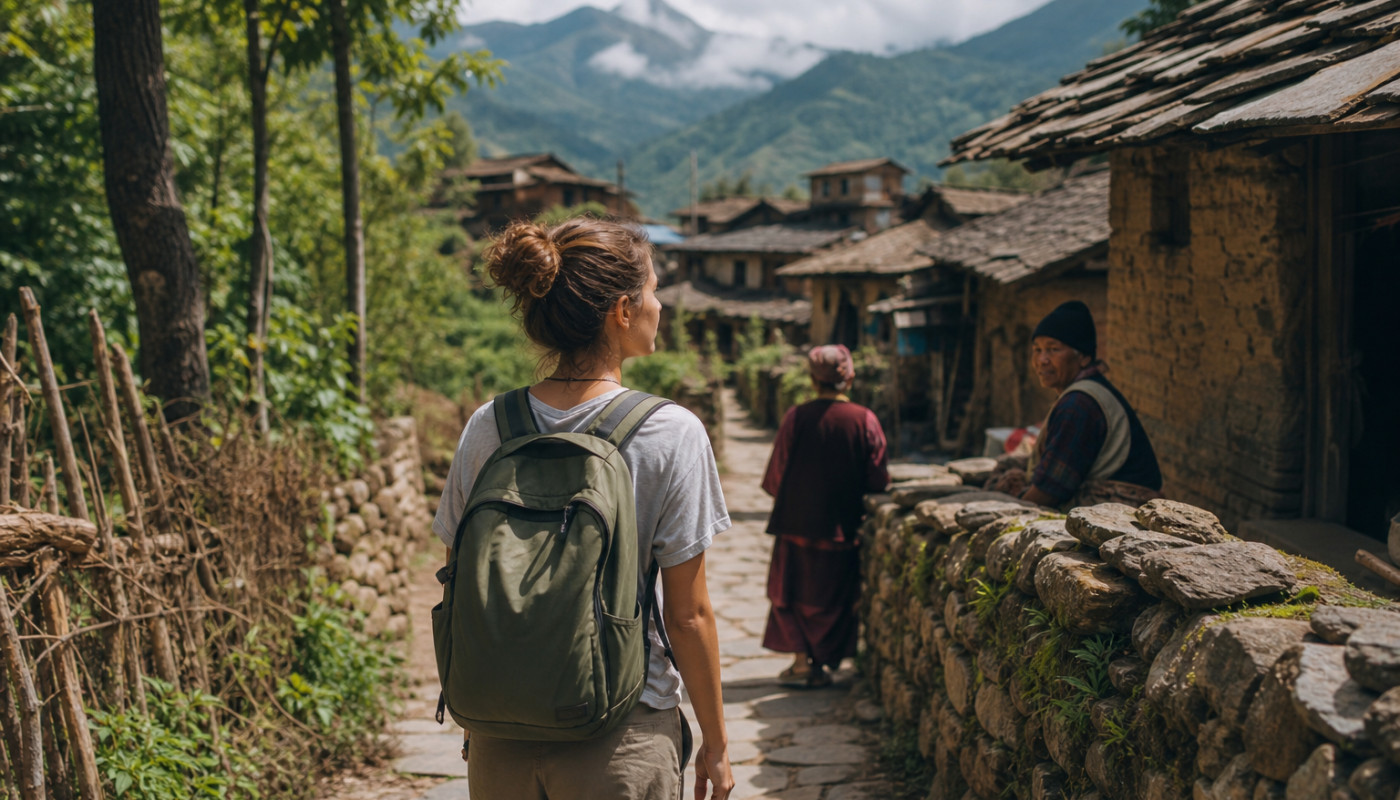
Hidden villages, by contrast, offer a different value proposition. They may not have the Louvre, but they do have space, and often a sense of continuity: family-run inns, seasonal festivals, and landscapes that are not engineered for constant turnover. For some travelers, that is now the luxury, not the rooftop bar. For others, it is pragmatic; when the classic route becomes expensive, fully booked, or regulated by timed slots, the quiet alternative stops being niche and starts looking like the sensible plan.
In small places, time becomes the attraction
What draws people to villages that rarely appear on bucket lists? A simple answer, rarely admitted in glossy brochures, is that these places allow time to stretch. The classic itinerary rewards speed: a morning market, a cathedral by noon, a museum sprint, dinner in the “right” district, and a pre-dawn departure. Hidden villages disrupt that tempo, partly because transport links can be slower, and partly because there is less to “collect.” That absence becomes a feature. Travelers are not chasing checklists, they are watching how a place breathes, and that is a different kind of satisfaction.
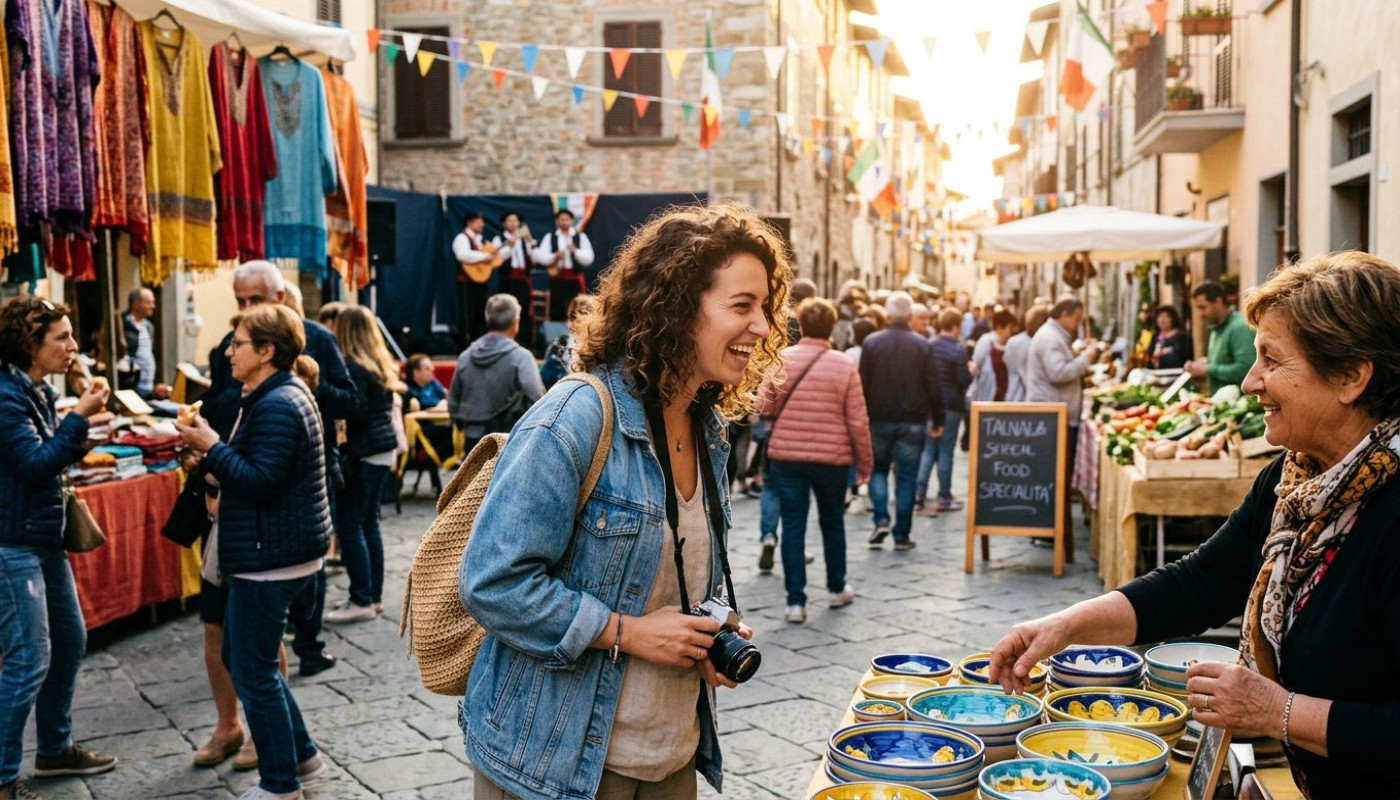
In Japan, where demographic decline is reshaping rural regions, many small towns have leaned into slow travel and cultural continuity, from restored merchant houses to craft workshops that welcome short courses. Italy’s inland villages, long emptied by migration to cities, have revived through agritourism and local food economies, often built around olive oil, wine, and seasonal produce rather than landmarks. Spain’s “pueblos blancos” and lesser-known Pyrenean valleys have similarly benefited from travelers who prefer hiking trails and village plazas to big-city nightlife. These are not invented attractions; they are everyday life presented at a scale where a visitor can actually participate, and where a two-hour lunch is not an indulgence but a norm.
There is also an economic dimension that travelers increasingly weigh, even if imperfectly. In many major cities, tourism spending concentrates in global chains and high-rent districts. In villages, a larger share often goes directly to local operators: the guesthouse owner who also runs the café, the family that sells cheese at the market, the guide who knows which path is safe after heavy rain. That does not automatically make village tourism “good,” and communities can still be disrupted, but it changes the calculus. A traveler looking for authenticity may discover that authenticity is not a feeling but a relationship, and relationships take time, repeated encounters, and the humility to be a guest rather than a consumer.
Hidden villages force smarter trip design
Here is the catch: hidden villages are rarely convenient, and that is precisely why they challenge classic itineraries. Reaching them can involve regional trains with limited frequency, buses that stop running early, or the kind of road driving that turns a two-hour distance into a four-hour commitment. The logistics can be intimidating, especially for travelers trained by city breaks and high-speed rail. Yet the rise of flexible work, longer stays, and travel planning tools has made complexity more manageable, and in some cases, it has become part of the appeal. When the journey is slower, the destination feels earned.
This is where planning culture is changing. Instead of building an itinerary around famous hubs and day trips, travelers build around micro-regions: a valley, a coastline beyond the resort strip, a cluster of villages linked by walking trails, and a base where they can unpack once. It is a subtle but significant departure from the classic model, and it tends to reduce the stress that comes from constant check-in and check-out. It also nudges travelers toward more sustainable patterns, even if sustainability is not the explicit goal. Fewer long transfers, fewer rushed meals, fewer impulse purchases driven by fatigue, and more time spent in one place: these are not moral choices so much as practical ones.
To make that work, travelers are leaning on specialists, not just generic booking platforms. Curated escapes, local operators, and regional experts can map transport realities, seasonal closures, and the unglamorous details that determine whether a village stay feels magical or simply stranded. For those heading to Taiwan, for instance, using a dedicated planner like https://www.taipei-escape.com can help translate a vague desire for “somewhere quieter” into a workable route, matching time constraints with neighborhoods, day trips, and lesser-known stops that fit the rhythm of the island rather than fighting it.
Communities welcome visitors, but on their terms
Hidden villages are not theme parks, and the most interesting shift in travel right now is that many communities are asserting boundaries. After years in which tourism promotion focused almost exclusively on growth, local governments and residents are increasingly talking about capacity, housing, and the right to a livable town. Even small places can be overwhelmed if social media sends a sudden surge, and the backlash can be swift. The new model, emerging unevenly across regions, is less about maximizing arrivals and more about shaping behavior: encouraging longer stays, spreading visits across seasons, and steering travelers toward local businesses rather than self-contained rentals.
That tension creates a more honest travel experience. Visitors who arrive expecting to “discover” a village may find that the village has already decided what kind of tourism it wants, and that not everything is open for consumption. Some communities promote cultural events with ticketing to control numbers; others limit parking, require advance reservations for certain sites, or restrict access to sensitive natural areas during nesting seasons. These policies can frustrate travelers accustomed to spontaneity, but they also protect what makes the place worth visiting in the first place. In the long run, a village that manages tourism well is more likely to remain a village, rather than becoming a set of souvenir stalls with a few residents hanging on.
For travelers, the practical takeaway is straightforward: respect local rhythms, and you will get more out of the trip. Learn a few phrases, arrive with cash when card machines are unreliable, and plan meals around what is actually open, not what an app suggests. If a community asks visitors not to photograph private homes, or to stay on marked trails, it is not an aesthetic preference, it is a form of survival. The reward is access to places that still feel lived-in, where the point is not to perform travel online but to experience it offline, and where the most memorable moment may be a conversation in a small shop rather than a landmark selfie.
How To Plan Without Overpaying
Book early for limited-room villages, and set a realistic daily transport budget; regional buses, taxis, and car rentals add up fast. Check whether local or national schemes subsidize rail passes, museum entries, or eco-transport, and confirm reservation rules in peak season. A well-timed base, plus one or two guided days, often costs less than constant hotel hopping.
On the same subject